Аңыз

More from the Steppe

Extras with checked sources: UNESCO, petroglyphs, aitys, the yurt observatory, Tomyris and other stories.

Tamgaly Gorge has about 5,000 petroglyphs.

Text by: Bekzada ISHEKENOVA, Dias KUMARBEKOV

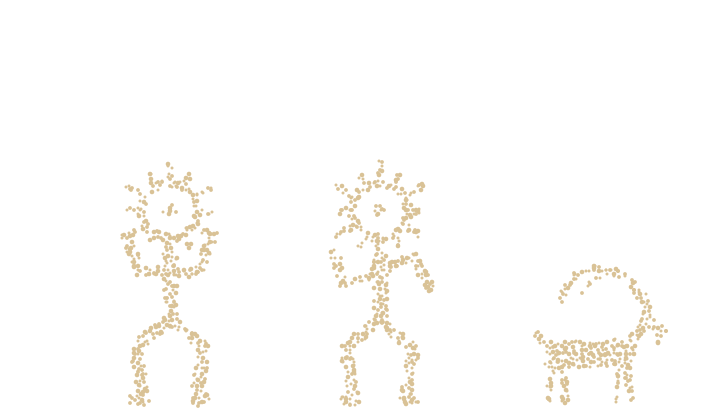
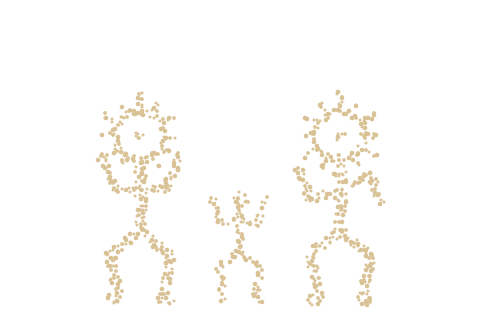
Two sun-headed figures and a mountain goat

In this section

  1. Korkyt’s Heritage on the UNESCO ListHistory · 1 min
  2. Kui: A Short Story on Two StringsHistory · 1 min
  3. Aitys: A Duel of PoetsHistory · 1 min
  4. The Sun-Headed Figures of TanbalyArchaeology · 1 min
  5. Hunting with BirdsHistory · 1 min
  6. The Yurt as a Clock and an ObservatoryHistory · 1 min
  7. Amaldar: A Calendar of SignsHistory · 1 min
  8. Tomyris in HerodotusHistory · 1 min
  9. Kozy Korpesh and Bayan SuluLegend · 2 min
  10. The Sea Horse in the Texts of MangystauHistory · 1 min
  11. “The Golden Man”Archaeology · 1 min
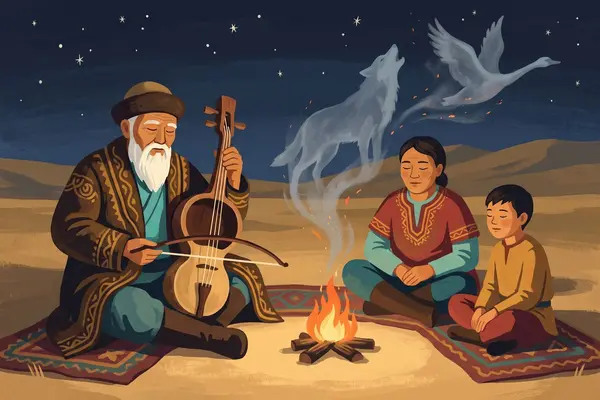
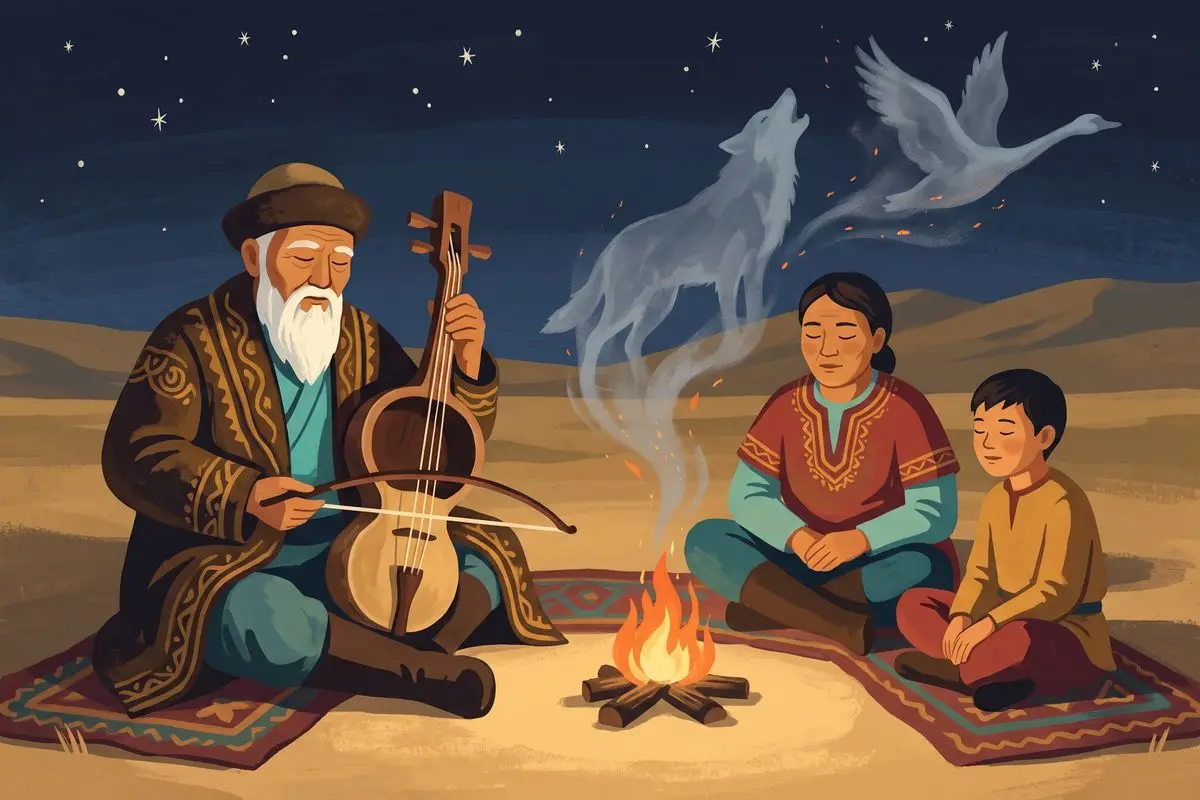
An old storyteller plays a kobyz by a campfire under the stars, a woman and a boy listen; a wolf and a swan rise from the smoke
Illustration made by AI: Google Generative AI. Inaccuracy: the kobyz in the picture has three strings; a real qyl-kobyz has two.

Chapter 1 of 11 · 1 min read

Korkyt’s Heritage on the UNESCO List

Korkyt Ata isn’t known only to Kazakhs. In 2018, the heritage of Dede Korkut, Korkyt Ata, joined UNESCO’s Representative List of the Intangible Cultural Heritage of Humanity. It was a joint nomination from Azerbaijan, Kazakhstan, and Türkiye.

According to UNESCO, this tradition is built on twelve heroic legends and tales and thirteen pieces of music. Here Korkyt is a legendary wise man who shows up in every story and is considered the greatest of all the storytellers.

The kobyzAn ancient string instrument played with a bow. plays the main melodies of these pieces, and the tradition is known for copying the sounds of nature, like a wolf’s howl or a swan’s call.

Sound familiar? In the legend, Korkyt wanted to make an instrument that could capture every sound of nature and every animal’s voice. Read about it in the chapter “Korkyt Ata and the First Kobyz”.

Next Kui: A Short Story on Two StringsRandom legend
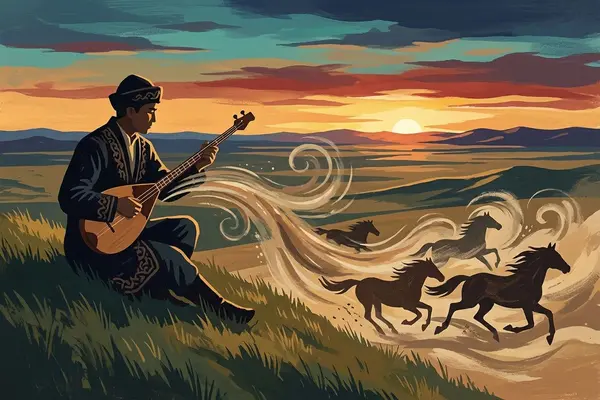
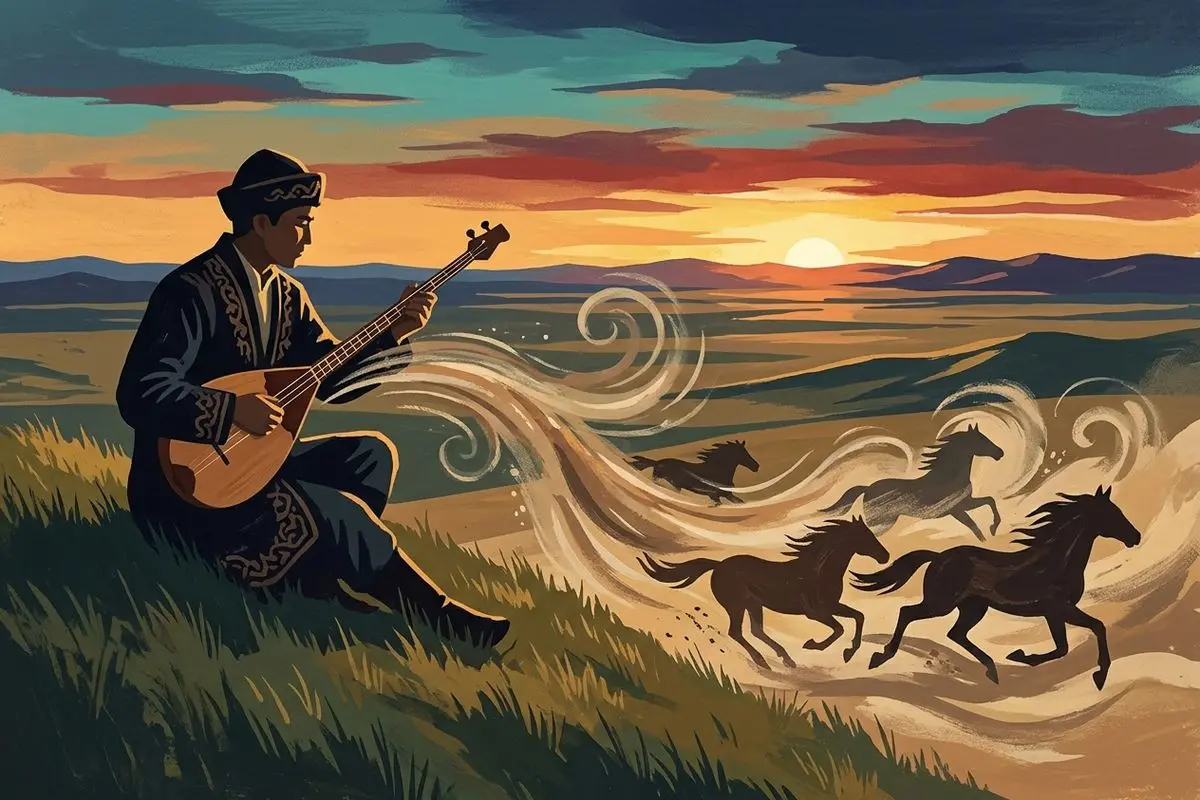
A musician plays the dombra on a hill, and the melody turns into galloping horses
Illustration made by AI: Google Generative AI.

Chapter 2 of 11 · 1 min read

Kui: A Short Story on Two Strings

UNESCO describes kuiA melody played on the dombra. as a short solo piece for the dombraA plucked instrument with two strings., a two-stringed plucked instrument with a pear-shaped body and a long neck. The Kazakh art of the dombra kui was added to the Representative List in 2014.

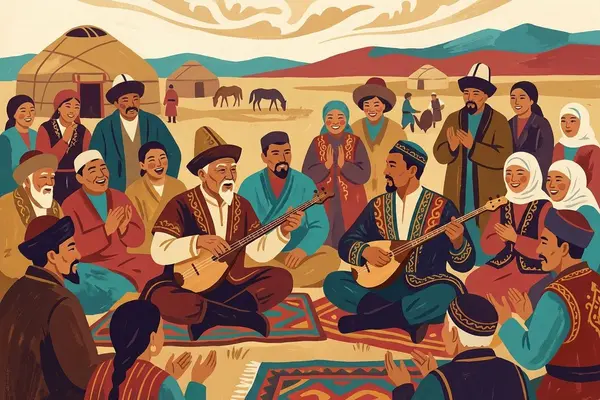
A kui performance comes with stories and legends. Traditionally, kui is played at feasts, holidays, and celebrations.

Children are sent to learn from master musicians as soon as they show an interest in traditional music. After that, young musicians keep learning from more experienced performers in their region, growing their skill and their repertoire.

Next Aitys: A Duel of PoetsRandom legend
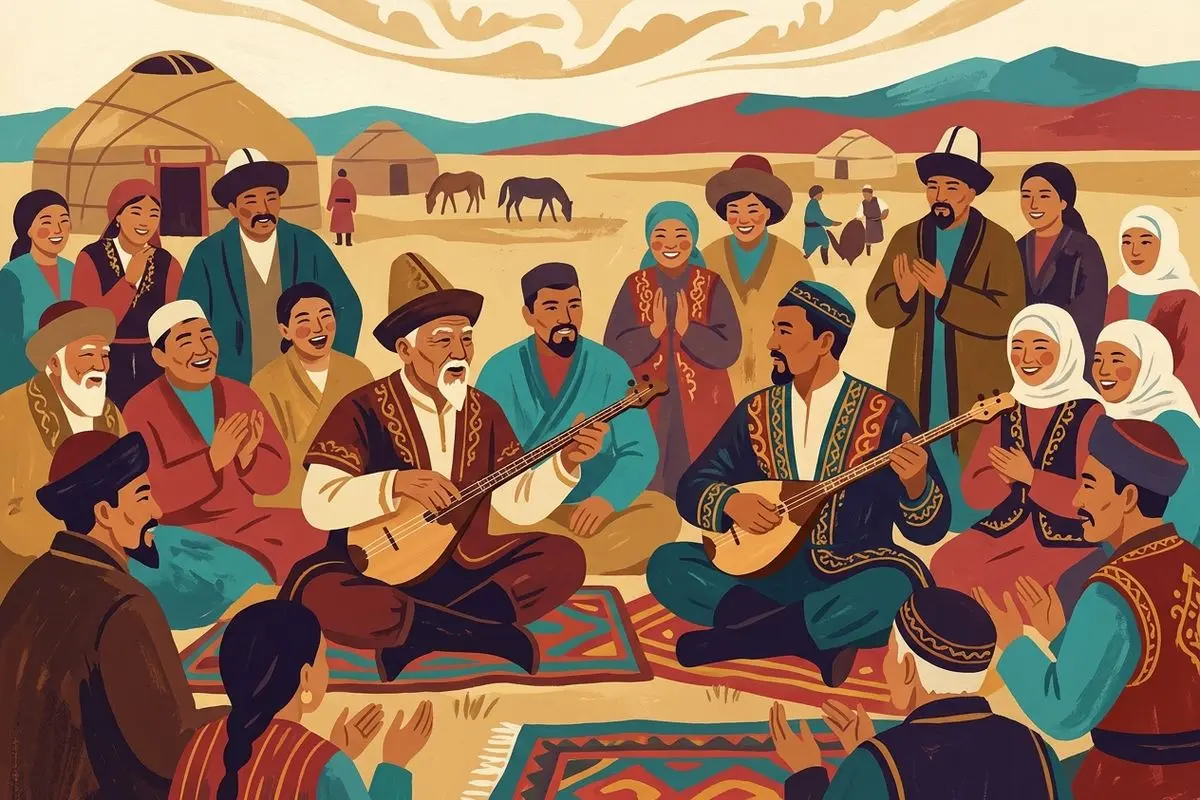
Two poets with dombras sit facing each other, surrounded by laughing listeners
Illustration made by AI: Google Generative AI.

Chapter 3 of 11 · 1 min read

Aitys: A Duel of Poets

Imagine a contest where the weapon is a rhyme. AitysA contest of poetry made up on the spot and spoken aloud. is a competition in improvised spoken poetry. In 2015, it joined the UNESCO list from Kazakhstan and Kyrgyzstan.

Two akyns sit facing each other and take turns making up verses about current topics, switching between playful comebacks and deep, philosophical thoughts. The audience picks the topics, and the poets play along on the Kazakh dombraA plucked instrument with two strings. or the Kyrgyz komuz.

The winner is the poet who best shows musical skill, a sense of rhythm, originality, quick thinking, wisdom, and wit. The sharpest lines often become popular sayings.

Traditionally, only men took part in aitys, but today many women perform in it too.

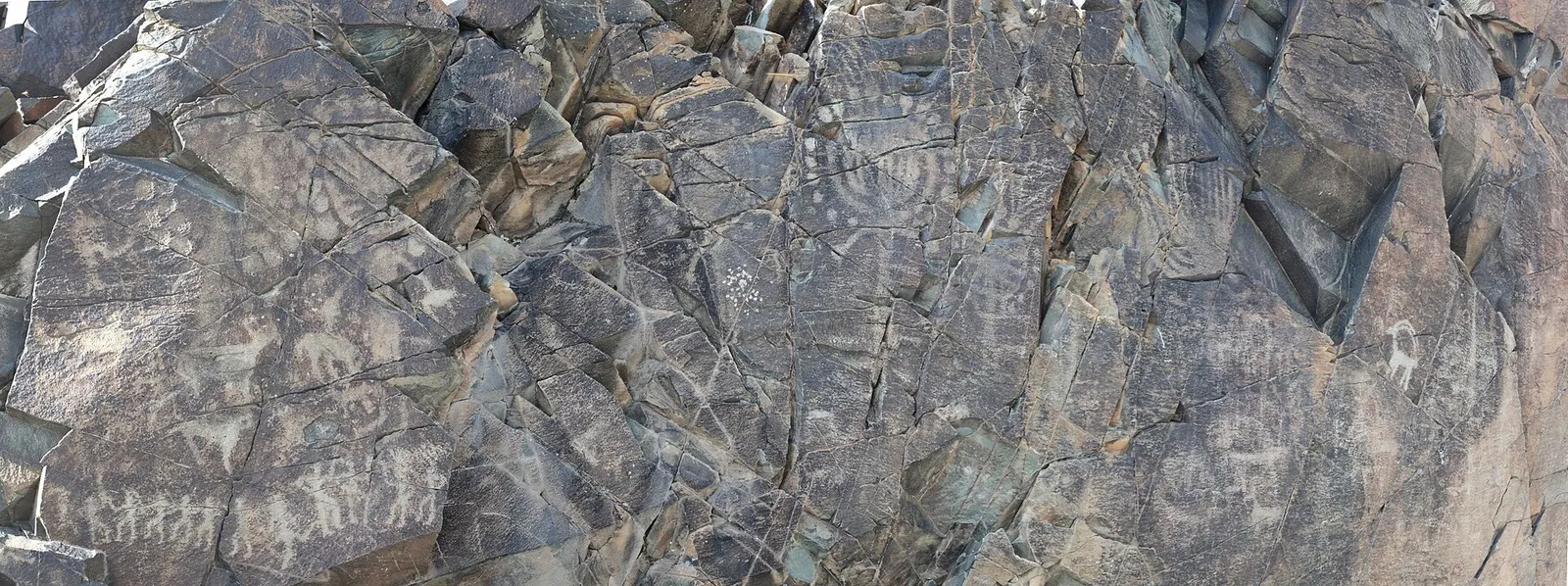
A dark cracked rock face with pale pecked figures of people and animals
Photo: the main petroglyph rock at Tanbaly (Tamgaly). Author: Stomac. Source: Wikimedia Commons, «Tamgaly main petroglyph.jpg». License: CC BY-SA 3.0.

Chapter 4 of 11 · 1 min read

The Sun-Headed Figures of Tanbaly

Legends about gods with Sun heads don’t live only in texts. In the Tanbaly (Tamgaly) gorge in southeastern Kazakhstan, there are about 5,000 petroglyphs in 48 complexes.

According to the UNESCO World Heritage Centre, they date from the second half of the 2nd millennium BCE to the early 20th century. Among the images are sacred sun-headed figures, solar deities, beings dressed in furs, people in disguise, many kinds of animals, and altars.

We won’t connect these pictures directly to TengriThe supreme god of the sky.: the source doesn’t say that. But the likeness of the “man with a Sun for a head” is worth noticing.

Next to this text is a real photo of the main rock at Tanbaly: its author, source and license are in the caption. The dotted figures on other pages of this site were drawn by us and don’t copy any specific rock art.

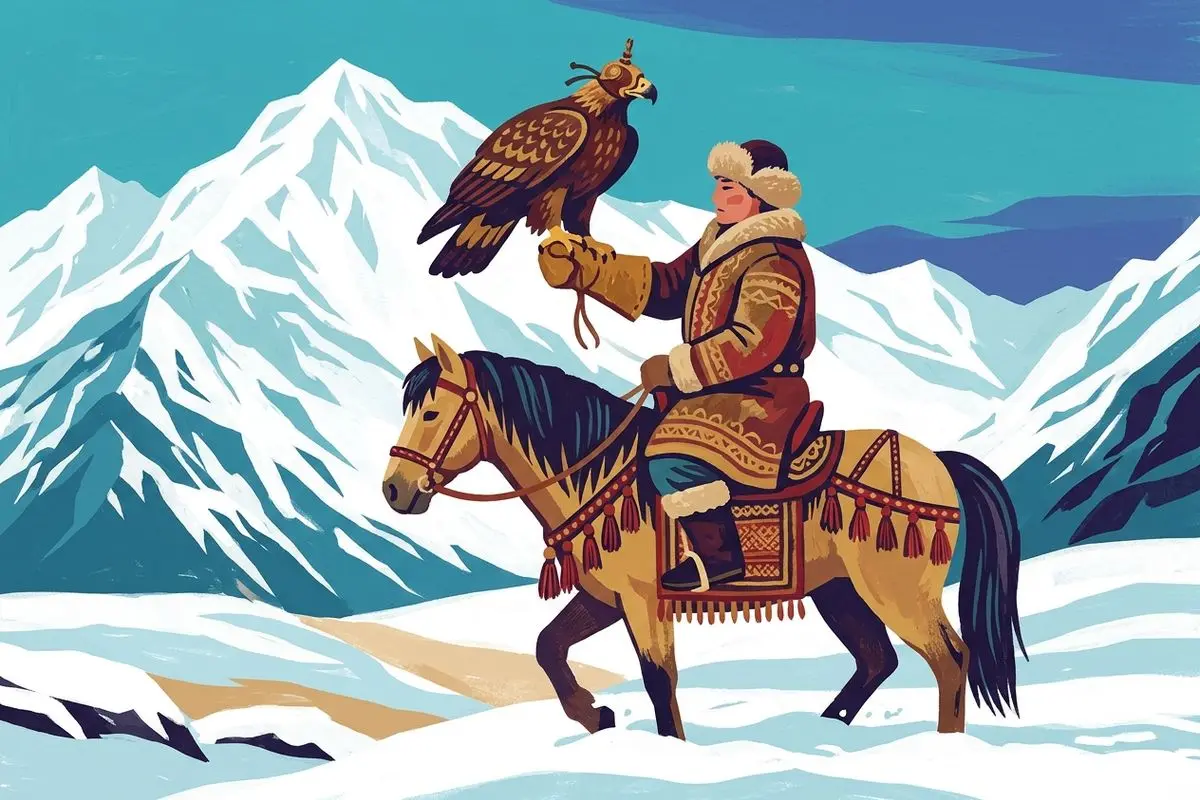
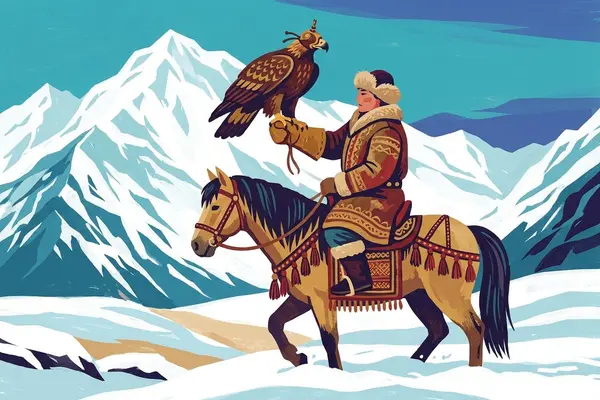
A rider in the winter mountains holds a hooded golden eagle on his arm
Illustration made by AI: Google Generative AI.

Chapter 5 of 11 · 1 min read

Hunting with Birds

Falconry is the traditional art of training and flying falcons, and sometimes eagles, hawks, and other birds of prey. According to UNESCO, it is more than 4,000 years old.

In 2021, the element “Falconry, a living human heritage” was added to the Representative List, and Kazakhstan is named among the countries connected to it.

At first, it was a way to get food. Later, this kind of hunting became a way for people to connect with each other and with nature. The skill is passed on through mentoring, in families and in clubs. Today, falconers work to protect the birds, the animals they hunt, and the places where they live.

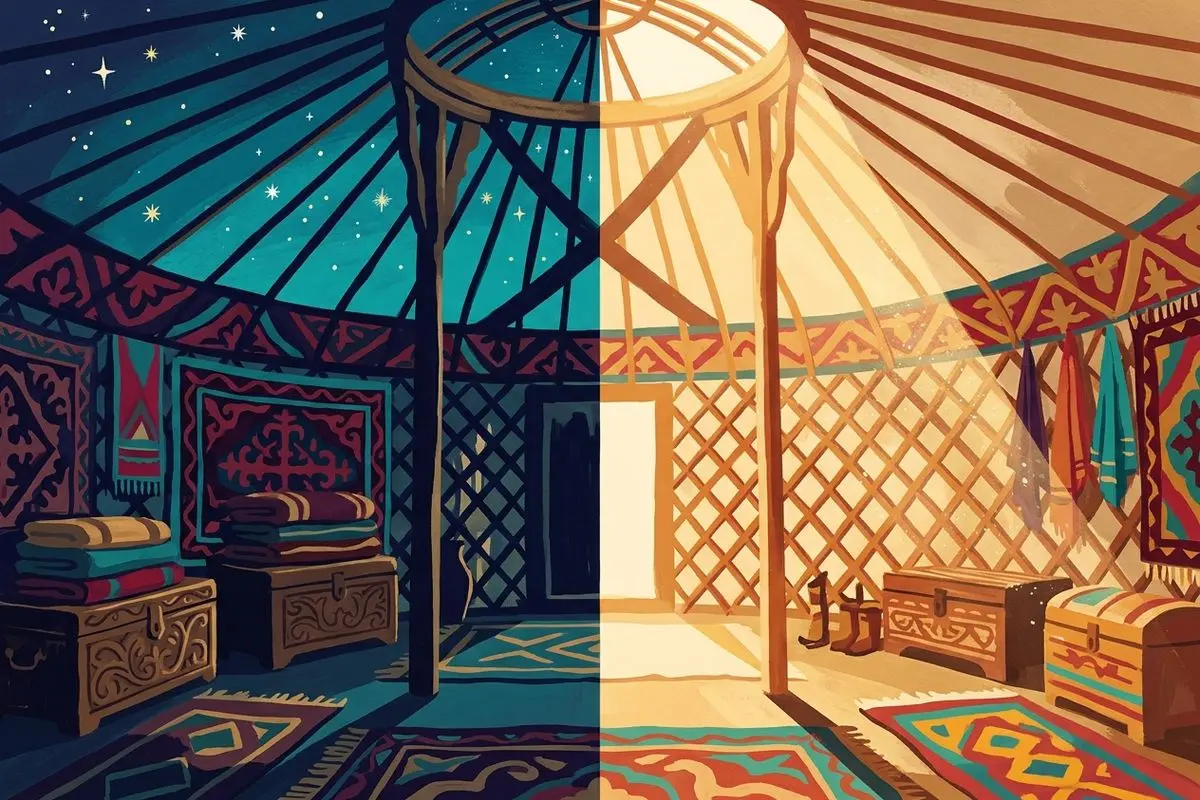
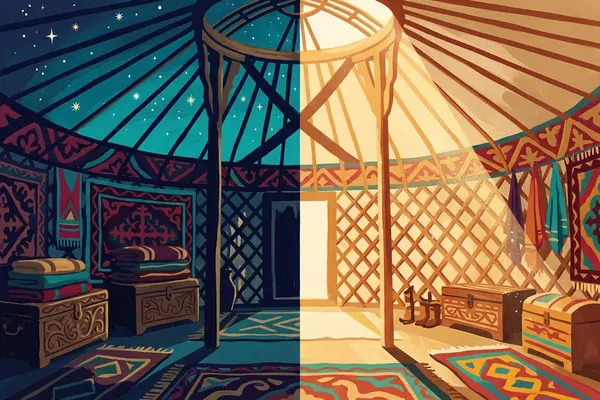
A yurt at night with stars in its shanyrak, and by day with a sunbeam on its walls
Illustration made by AI: Google Generative AI.

Chapter 6 of 11 · 1 min read

The Yurt as a Clock and an Observatory

Culture scholar Zira Nauryzbay calls the traditional Kazakh home a simple observatory. Referring to M. Mukanov’s book “The Kazakh YurtKiiz ui, the ancient home of nomads that can be taken apart and moved.,” she writes that at night you could watch the stars move through the shanyrakThe ring at the top of a yurt’s dome, a symbol of family and home., and during the day a shadow showed the time.

When light reached the shanyrak, it was time to start milking. When a sunbeam stopped at the middle of the bed, it was lunchtime.

People who knew the sky and the calendar well were called esepshiAn expert on the sky and the calendar. The word comes from “esep,” which means counting., from the word esep, “counting.” They kept count of the days, predicted the weather, and found their way by the stars.

The same text quotes Alexei Levshin’s book from 1832: an experienced steppe dweller could tell the hour of the night by the constellations almost as accurately as by a clock.

Nauryzbay’s text is an opinion column, not a scientific article.

Next Amaldar: A Calendar of SignsRandom legend
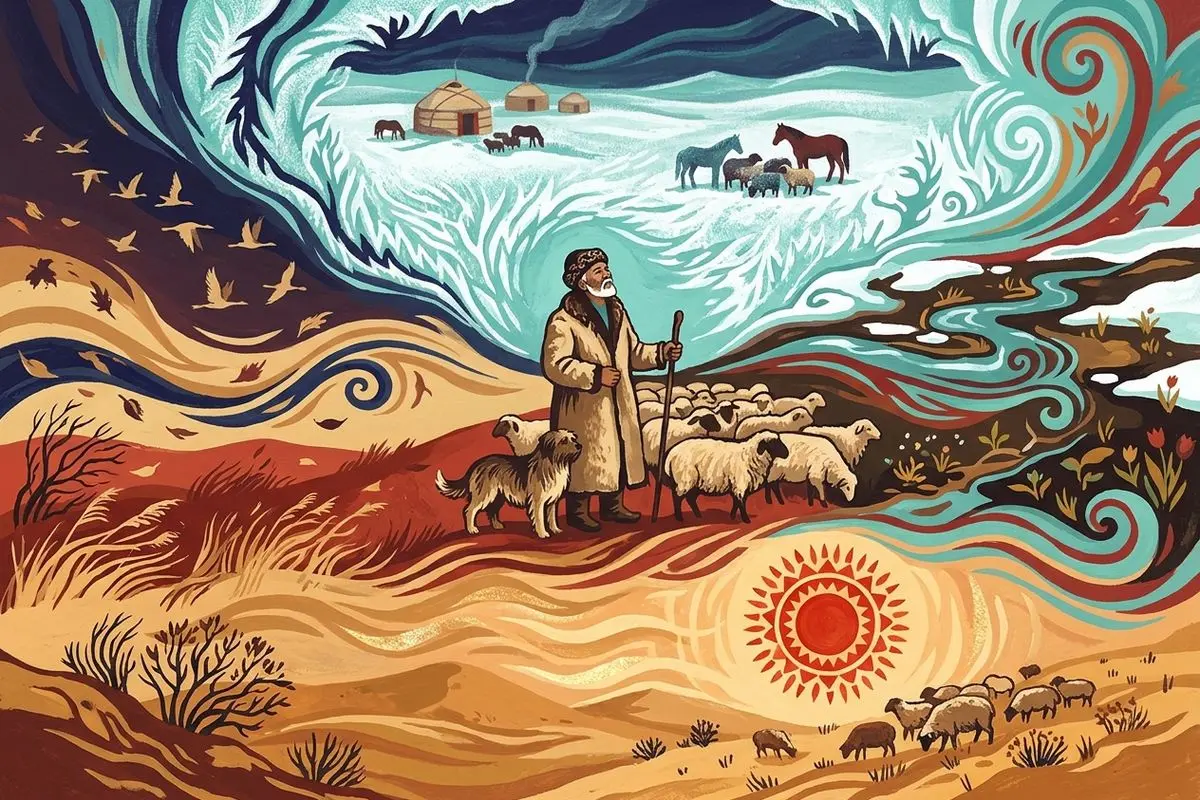
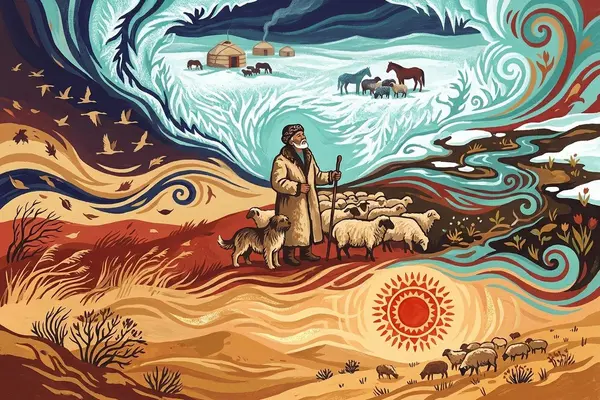
A shepherd with a flock through the seasons: snow, spring streams, wind, sun
Illustration made by AI: Google Generative AI.

Chapter 7 of 11 · 1 min read

Amaldar: A Calendar of Signs

For a nomad, it was important to know ahead of time what the weather would do. According to QAZAQ CULTURE, Kazakhs kept a system of observations called amaldarA system for keeping track of natural periods that come back again and again.: natural periods that came back year after year. People used them to plan grazing and haymaking.

Here are a few amals:

  • Beskonak — five extra in-between days where winter meets spring. People didn’t drive their herds far and avoided long trips.
  • Kus kanaty, “bird’s wing,” late March — migrating birds come back and the rains begin.
  • Kydyr kamshysy, “Kydyr’s whip,” April — spring thunderstorms.
  • Kuralaidyn salkyny, late May — a cold snap that comes just when lots of baby saigas are born.
  • Kyryk kun shilde, “forty days of heat” — haymaking time.
  • Akpan-tokpan, the last weeks of February — the harshest time, with snowstorms. People knew that spring would come after it.

The spelling of the names follows the source and is waiting to be checked by a native speaker.

Next Tomyris in HerodotusRandom legend
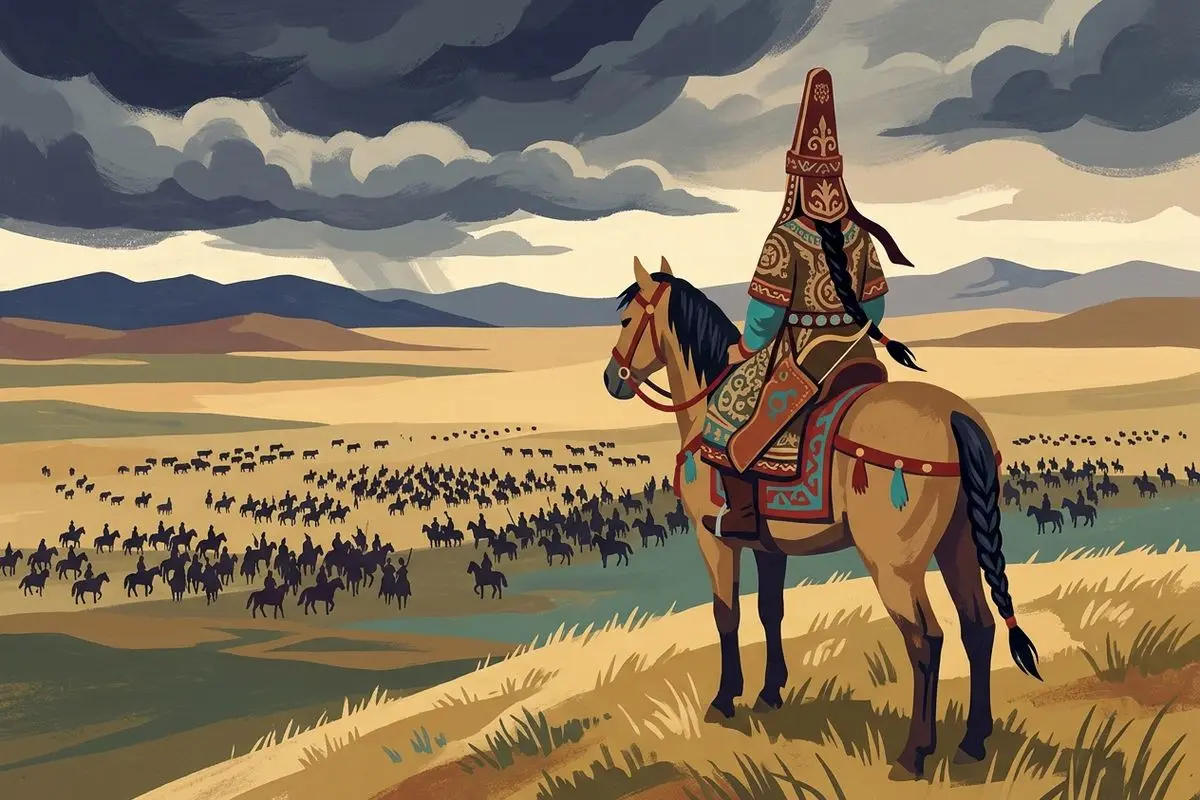
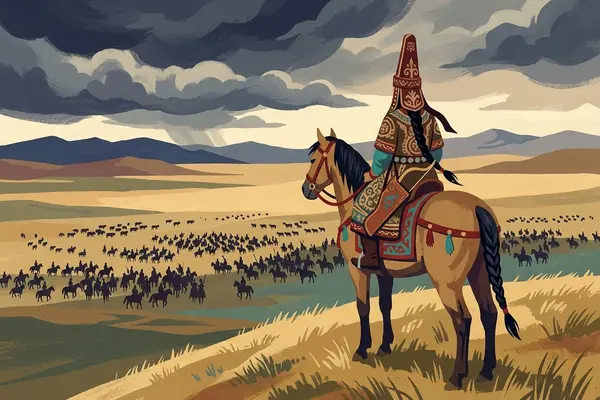
A Saka queen in a tall pointed headdress on horseback looks from a hill at her mounted host in the steppe under a stormy sky
Illustration made by AI: Google Generative AI. An artistic reconstruction, not a portrait.

Chapter 8 of 11 · 1 min read

Tomyris in Herodotus

The story of Tomyris, queen of the Massagetae, came down to us from the Greek historian Herodotus, in the first book of his “Histories.”

Herodotus writes that Tomyris gathered her whole army against Cyrus, the king of Persia. He calls this battle the fiercest of all the battles fought between barbarians. The Massagetae won, most of the Persian army died, and Cyrus himself was killed.

Then, according to Herodotus, Tomyris carried out her threat and cruelly dishonored her enemy’s body, as a reminder that Cyrus had taken her son prisoner by a trick.

Herodotus himself notes that people tell many different stories about how Cyrus died, and he considers this version the most reliable. So even an ancient author shows that there is more than one version. This story is Herodotus’s account, not a document from the battlefield.

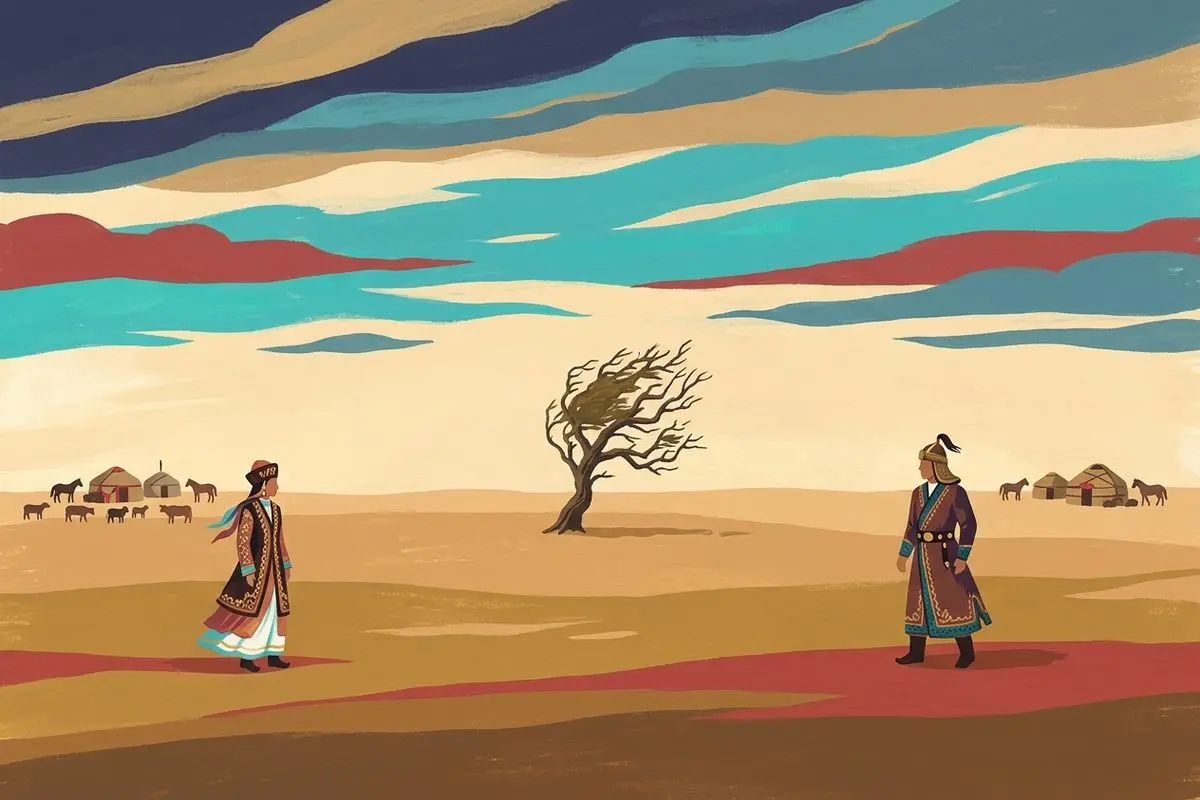
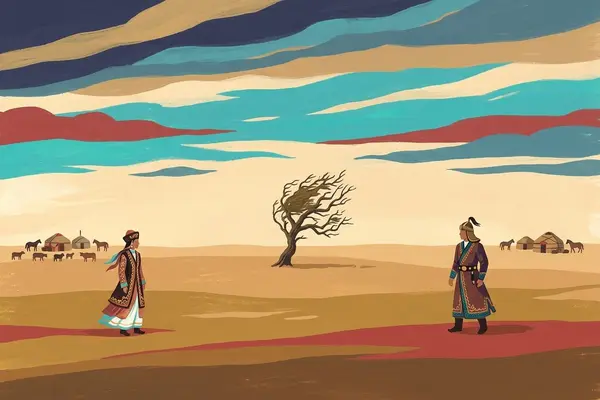
A young man and a young woman stand far apart on the steppe, with a lone tree between them
Illustration made by AI: Google Generative AI.

Chapter 9 of 11 · 2 min read

Kozy Korpesh and Bayan Sulu

This love story is told in many versions. Below is one of them, based on an article by Olga Snezhina on Zakon.kz, which does not refer to any specific scholarly works.

Two friends, Karabai and Sarybai, decide that their future children will marry each other. Sarybai dies, and the daughter born after his death is named Bayan. Karabai gets scared by a shaman’s prophecy about his son, Kozy Korpesh, so he moves his camp far away and breaks his oath.

Kodar, a boy Sarybai once took in, becomes a steward and asks to marry Bayan, but she decides to wait for her promised groom. In the end, Bayan tricks Kodar to take revenge for Kozy Korpesh’s death, orders a stone monument to be built, and dies at her beloved’s grave.

According to the same article, a written copy of the poem was found in Pushkin’s archive, and Shokan Ualikhanov wrote it down in 1858 and published one of its versions. There are also Tatar and Bashkir versions. Scholars date the monument in Ayagoz District to the 5th–7th centuries.

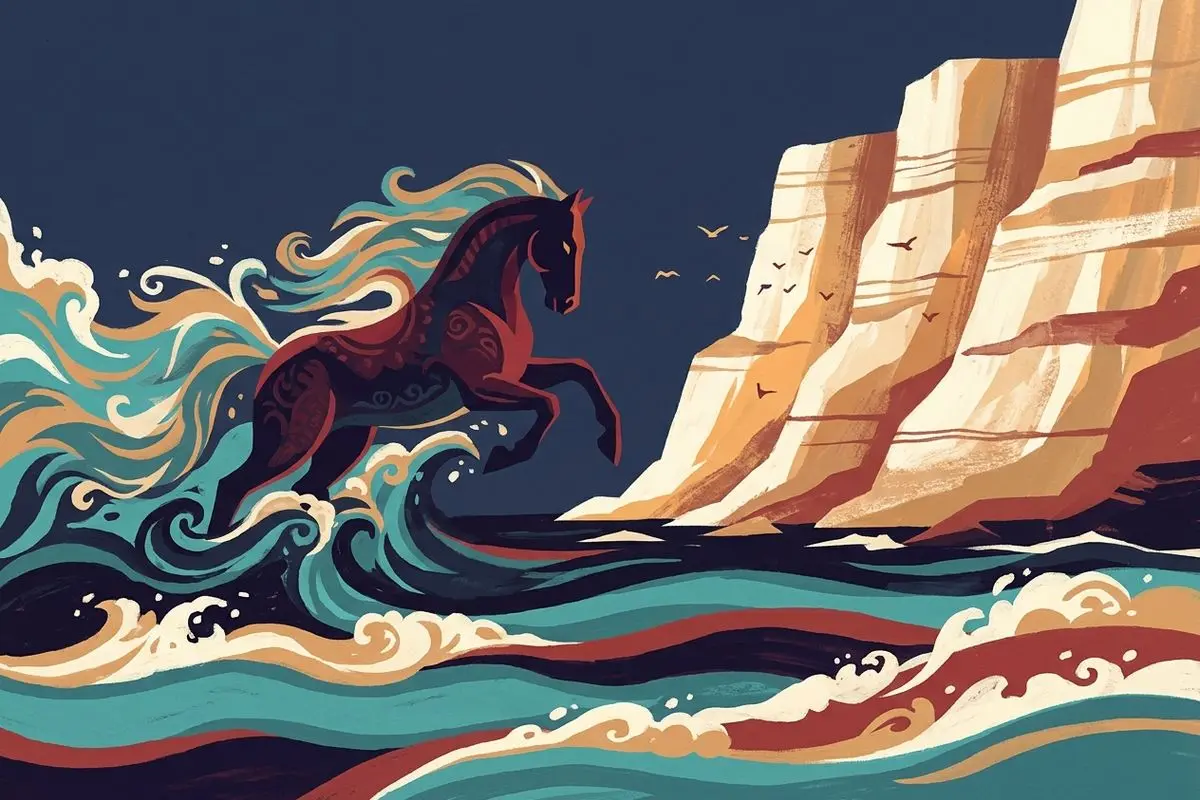
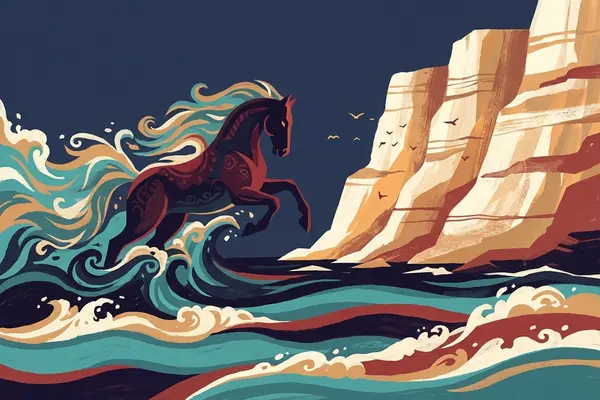
A horse comes out of the sea waves by white cliffs
Illustration made by AI: Google Generative AI.

Chapter 10 of 11 · 1 min read

The Sea Horse in the Texts of Mangystau

Remember the suynsA horse from the sea in the legends of Mangystau.? Scholars study the sea horse seriously too. B. I. Nurdauletova and O. O. Amankosov examine this image using materials from a 2020–2022 expedition: petroglyphs, epitaphs, inscriptions, and texts by zhyrauWhat this site calls Korkyt, Ketbuga and Asan Kaigy: poet-singers of legend and history..

They write that the peoples of the Caspian region have the idea of a “sea horse,” and in the language of the zhyrau, the “water stallion” stands for speed.

The authors also build on an idea by Serikbol Kondybai: to saddle a horse means to tame it and to move from chaos into an ordered space.

Next “The Golden Man”Random legend
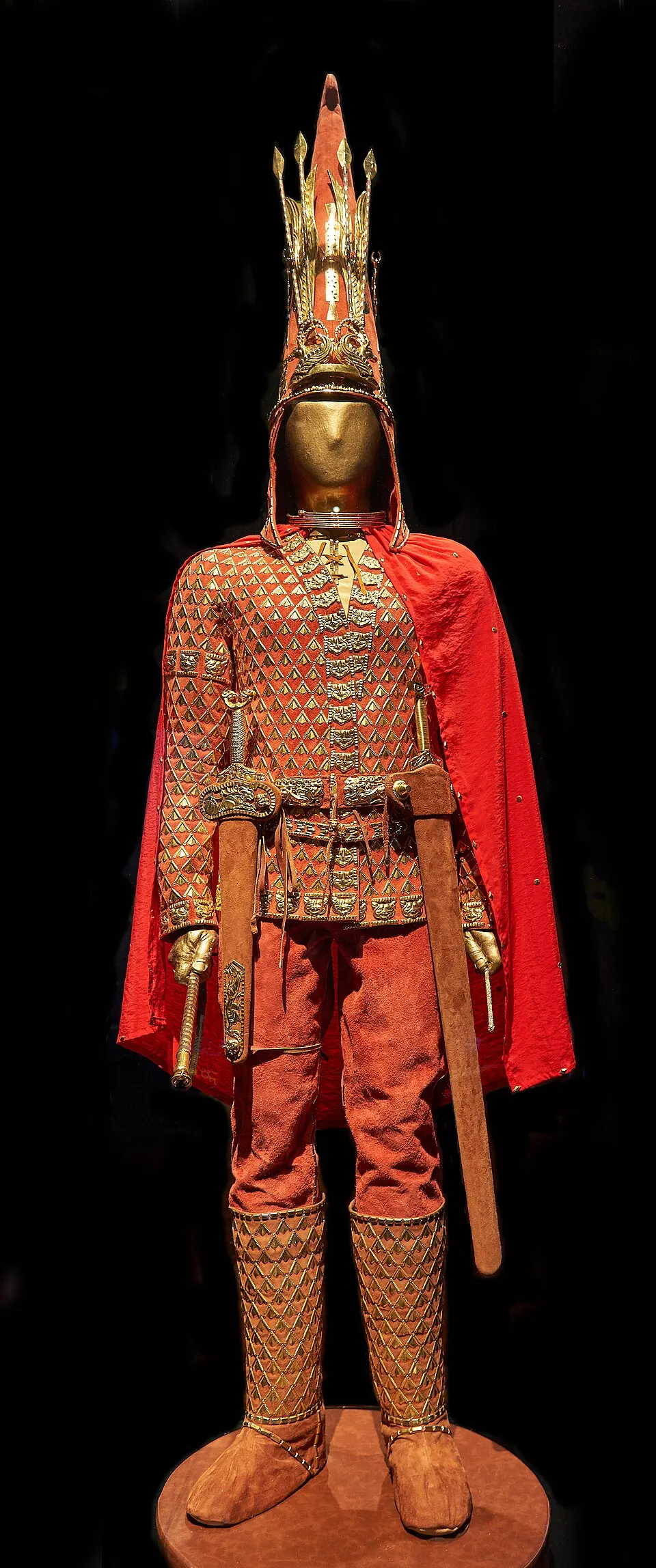
A mannequin in a red coat covered with gold plaques, a tall pointed headdress and a sword at the belt
Photo: a museum reconstruction of the “Golden Man” costume from the Issyk kurgan. Author: eggry. Source: Wikimedia Commons, «Golden Man (Issyk kurgan).jpg» (Flickr). License: CC BY-SA 2.0.

Chapter 11 of 11 · 1 min read

“The Golden Man”

This isn’t a legend anymore, it’s archaeology. In 1969, scientists led by Kemal Akishev excavated a burial mound in the valley of the Issyk River. Inside, they found the grave of a wealthy Saka warrior, who is called the “Golden Man” (according to the TV channel 24KZ).

Later, the find was recognized as one of the most important in the country’s history, and the reconstruction of his armor became one of the main symbols of Kazakhstan.

Next to this text is a real photo: this is how the reconstructed costume is shown in a museum. The photo’s author, source and license are in the caption.

Check yourself

Three questions about this section. Each answer shows where the story tells it.

1. In an aitys, who picks the topics the akyns make up verses about?
2. What do falconers work for today?
3. How could you tell in a yurt that it was lunchtime?